Field Notes Wardrobe Wednesday
Tighter! What Regency women really wore under those gowns
The tight-lacing scene in Bridgerton is great drama and poor history. Dress historians explain what stays were actually for, and the layer the show leaves out.
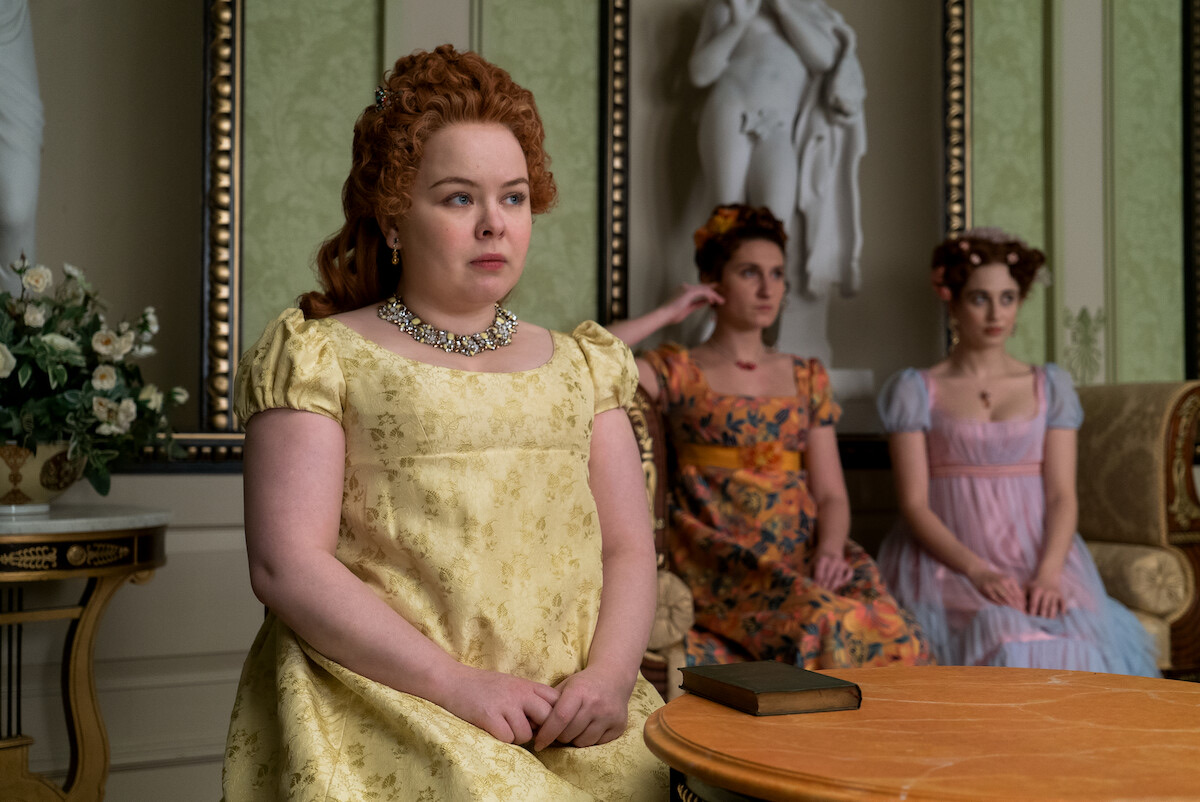
You know the scene. In the first episode of Bridgerton, Prudence Featherington is being dressed to meet the Queen. A maid hauls on her laces, her mother demands “tighter!”, and Penelope asks whether her sister is to be allowed to breathe. Prudence later faints at the Queen’s feet.
It is funny, it tells you everything about Lady Featherington in thirty seconds, and according to the people who study historical dress, it could not have happened like that.
A Regency gown has no waist to squeeze
Look at any portrait from the 1810s. The fashionable line is a high waist that sits just under the bust, with the skirt falling straight from there. The natural waist is hidden completely.
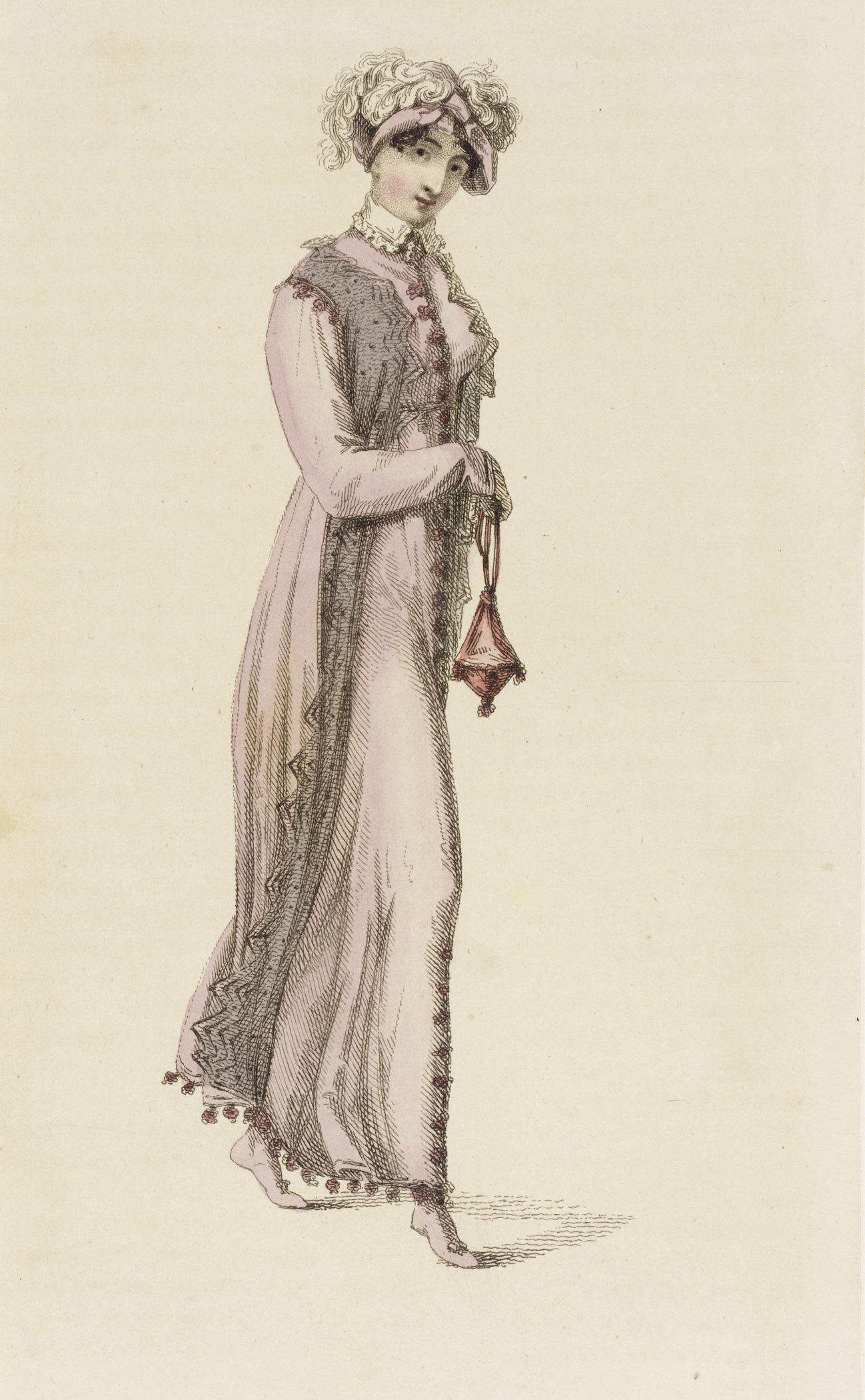
That is why dress historian Hilary Davidson, author of Dress in the Age of Jane Austen, told Smithsonian Magazine that for this period “the whole idea of tightlacing is completely pointless”. There was nothing to gain from a tiny waist nobody could see.
So what were stays for?
Support, mostly. Women of the period had a choice of undergarments. Davidson describes three: boned and structured stays, soft quilted jumps, and corsets, which then meant something in between, often made of cotton stiffened with rows of cord rather than whalebone.
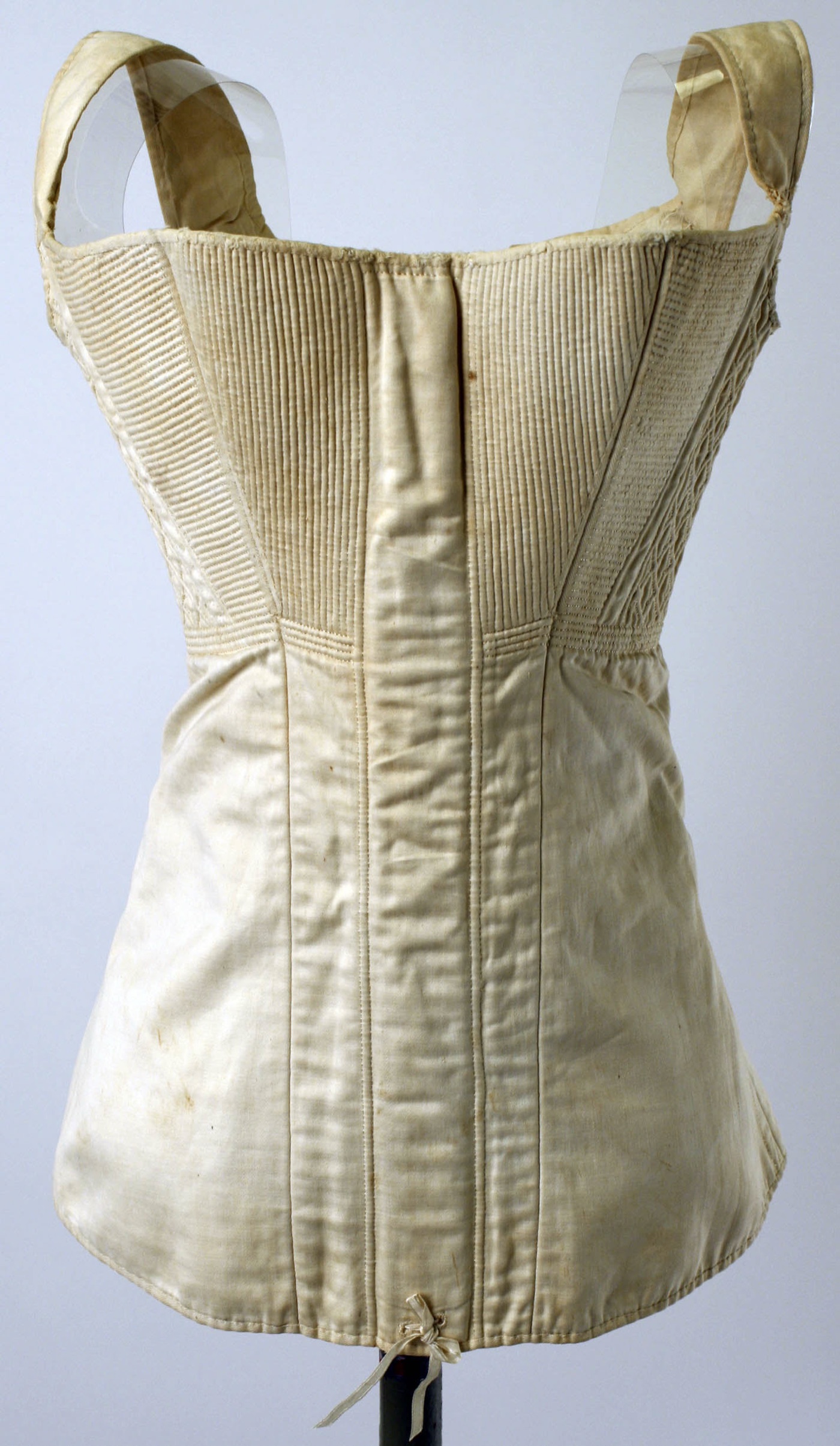
Their job was not to pull the waist in. It was, in Davidson’s words, to “lift up and separate” the bust, which is what gave a Regency gown its shape. Alden O’Brien, curator of costume and textiles at the Daughters of the American Revolution Museum, is blunt about Prudence’s ordeal: a corset of that period was not going to narrow her waist, “and it’s not trying to do that”.
Stays also did a job we forget about. As Den of Geek puts it, they spread the weight of heavy skirts across the torso. They were closer to a supportive bra and a back brace than to an instrument of torture.
The missing layer
Here is the mistake you will now spot everywhere. On screen, stays are usually worn against bare skin. In life, they went over a shift, or chemise: a loose linen or cotton undergarment that could be washed easily, which the stays themselves could not.
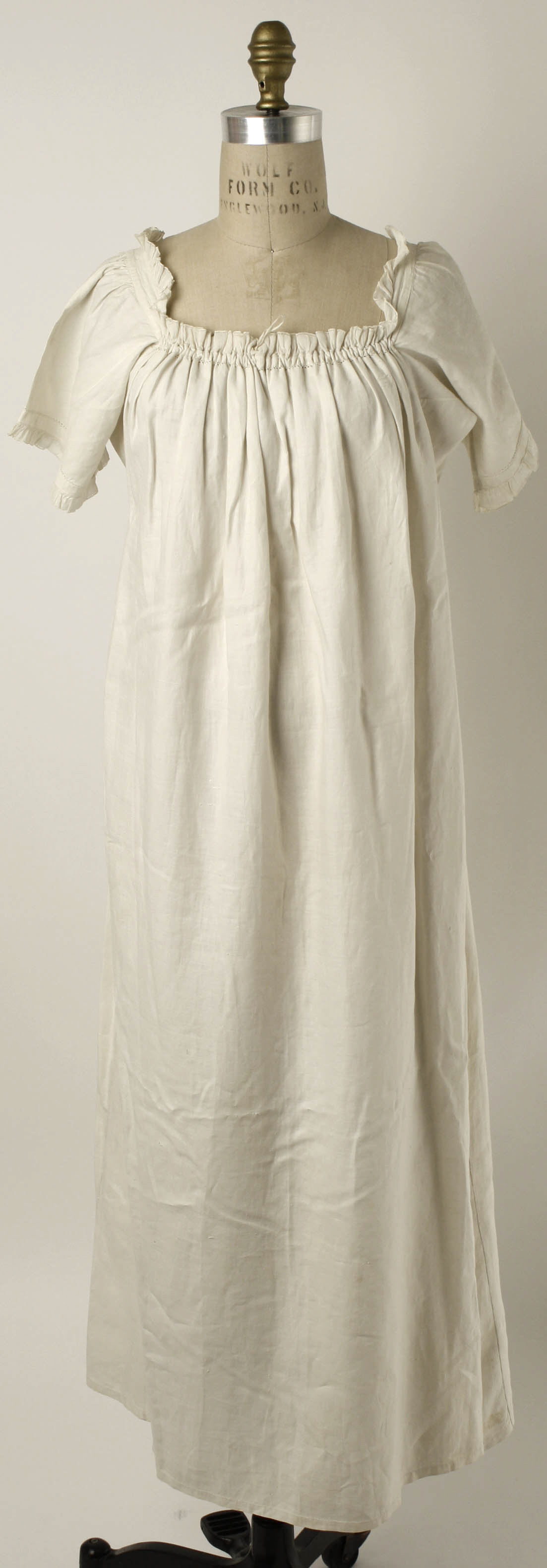
Wearing stays without one, Den of Geek suggests, is like going for a run in trainers with no socks. Bridgerton’s leading ladies skip the shift, and it is why some of those red marks on their backs look so painful.
When did tight-lacing become possible?
Later than you might think. Laces pulled through hand-stitched eyelets will tear the fabric if you haul hard enough. Metal eyelets, which let a corset take real tension, arrived in the 1820s. Tight-lacing became more common in the Victorian decades that followed, when the fashionable waist dropped back to its natural place and an hourglass became the goal.
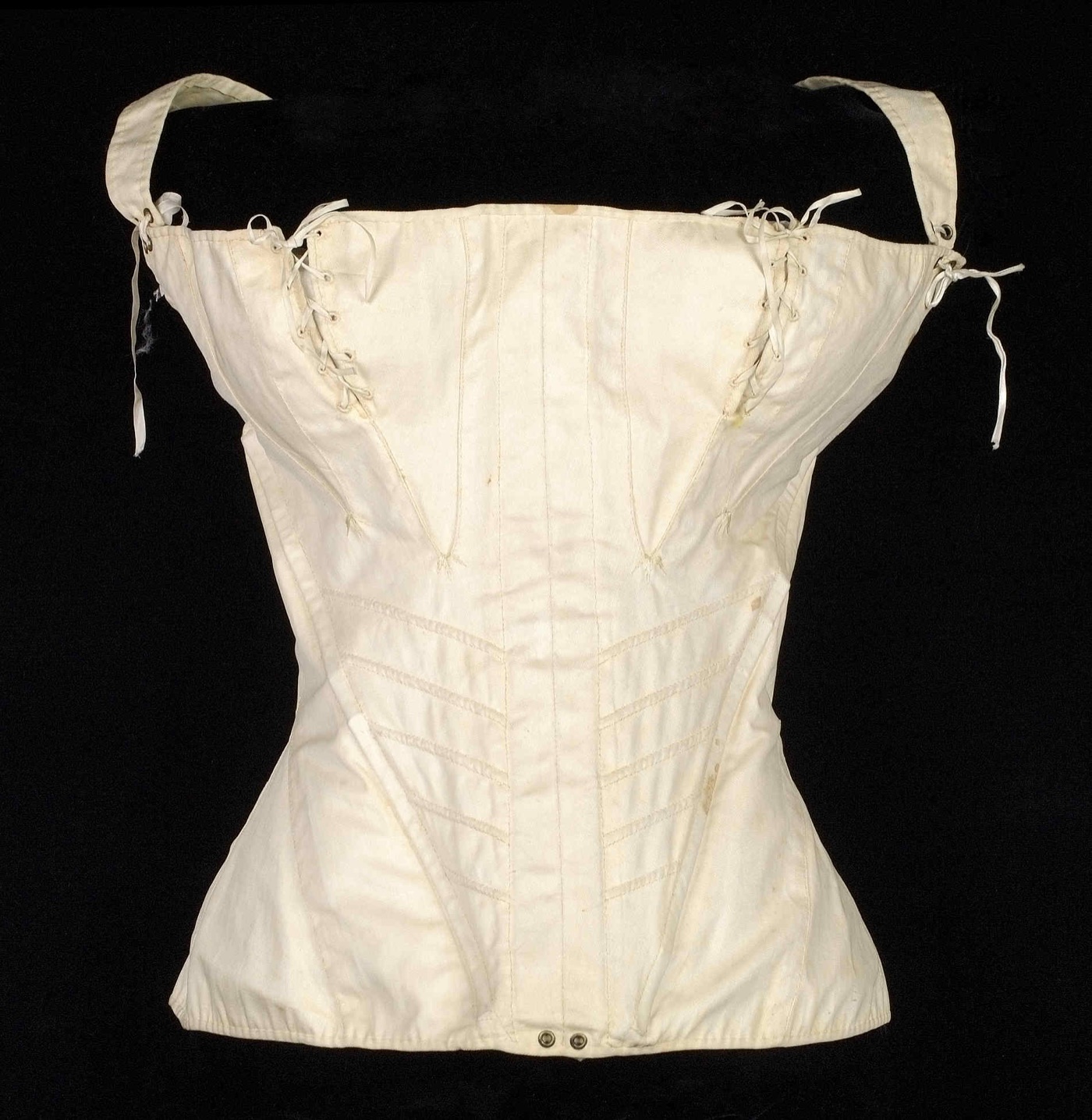
Even then, historians think the horror stories are overdone. Davidson notes that wide Victorian skirts made the waist look smaller by contrast, and that corsets in museums are displayed laced fully shut when they were probably worn an inch or two open.
Why the scene exists anyway
Because it is not really about underwear. O’Brien reads the “tighter, tighter” moment as a stand-in for women’s restricted place in society, and clothing historian Kass McGann makes the same point: it is “less about the corset and more about the psychology of the scene”.
That seems fair. Bridgerton has never claimed to be a documentary, and Lady Featherington squeezing her daughter into shape for the marriage market is an image that does its work. Just know that a real Regency mother would have been fussing over the neckline.
Who gets it right?
For underpinnings that look lived in, try the BBC’s Pride and Prejudice or the 2009 Emma. Nobody faints.
Sources: "What Bridgerton Gets Wrong About Corsets", Smithsonian Magazine; "TV and Movies Are Lying To You About Corsets", Den of Geek (15 May 2024).
Part of Wardrobe Wednesday: One costume from screen, decoded: what is accurate, what is invented, and why. New every Wednesday.