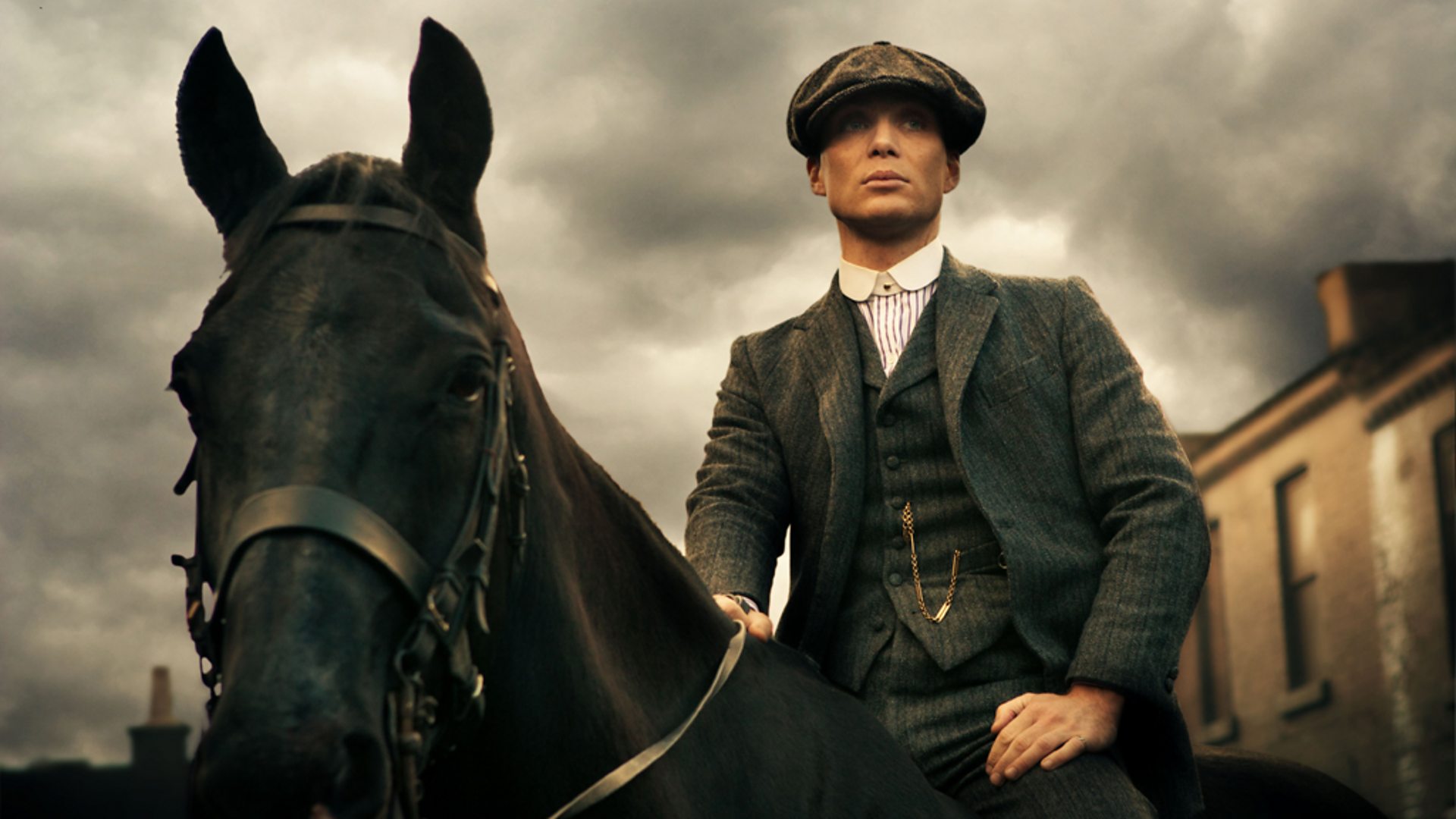
Were the Peaky Blinders real? Fact or Fable
There was a real Birmingham gang called the Peaky Blinders. Almost everything else in the series, from the Shelby family to the razor blades, needs a closer look.
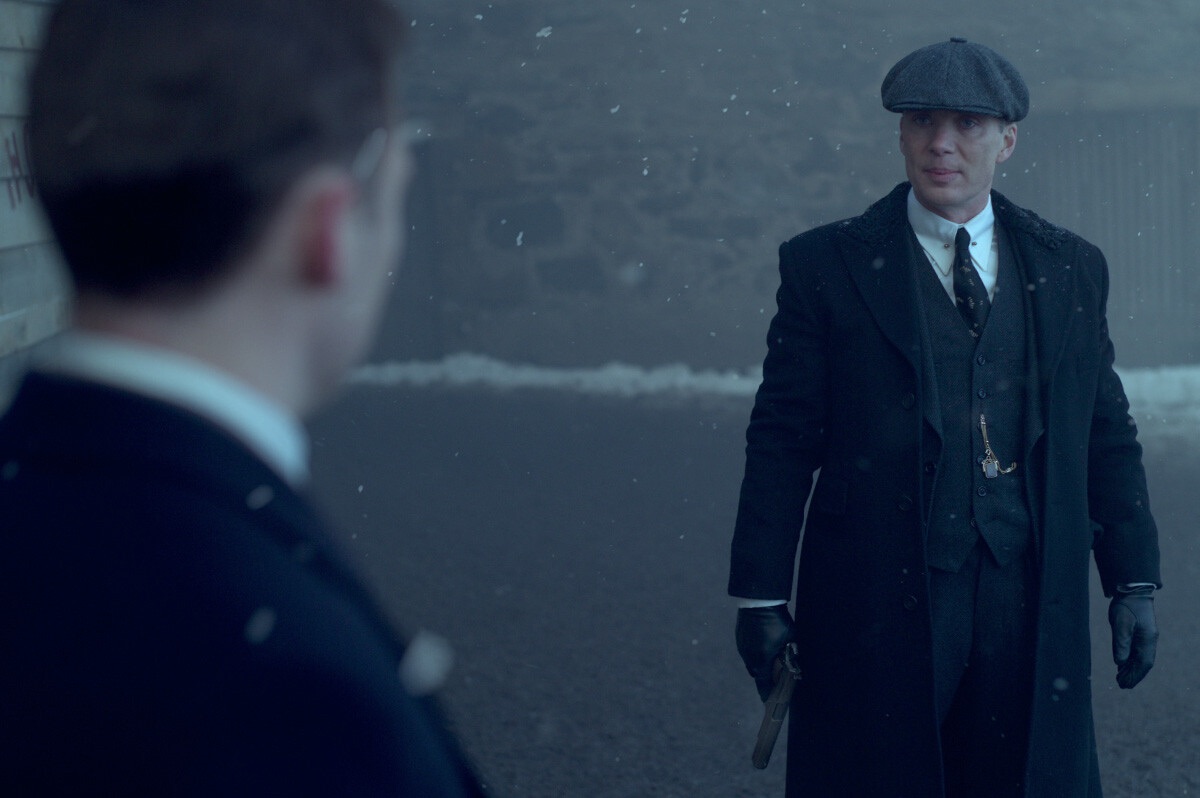
Our verdict: Loosely based
No spoilers beyond the first two series.
Peaky Blinders feels true. The soot, the canals, the men back from France who cannot sleep: it has the weight of something remembered. Some of it is. Creator Steven Knight grew up on his father’s stories of Birmingham bookmakers, and built the Shelbys out of them. But how much of what ended up on screen really happened?
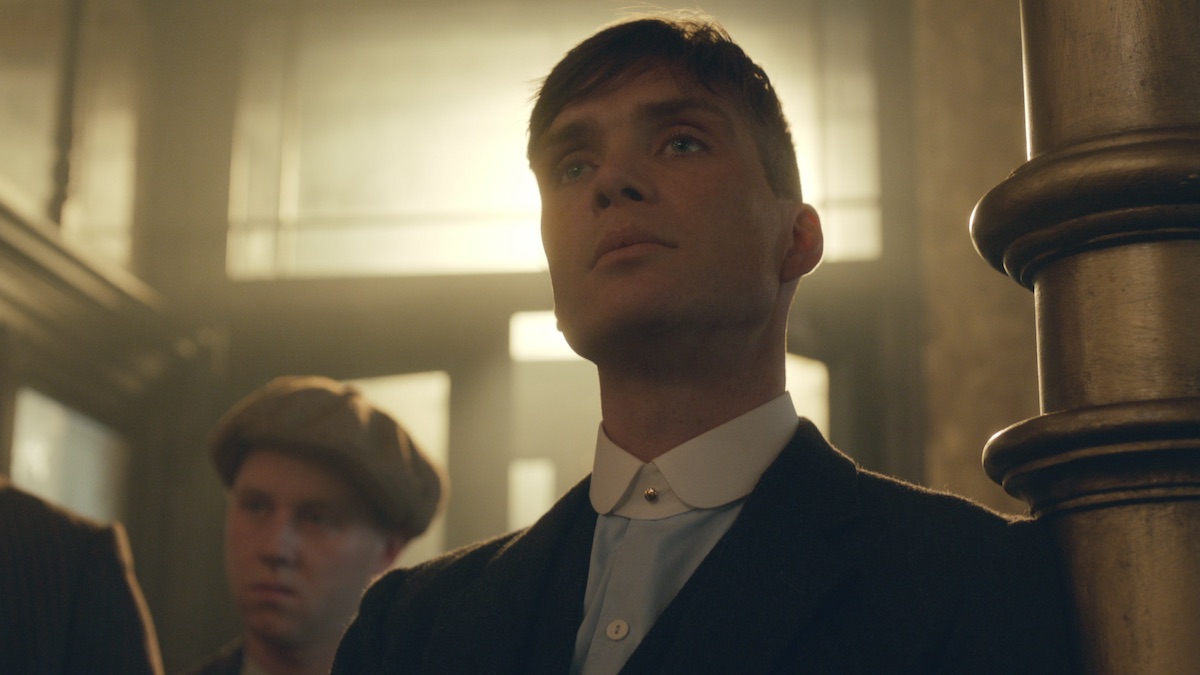
Short answer: the name is real, the city is real, a handful of the villains are real, and the family at the centre is fiction.
The real gang came a generation earlier
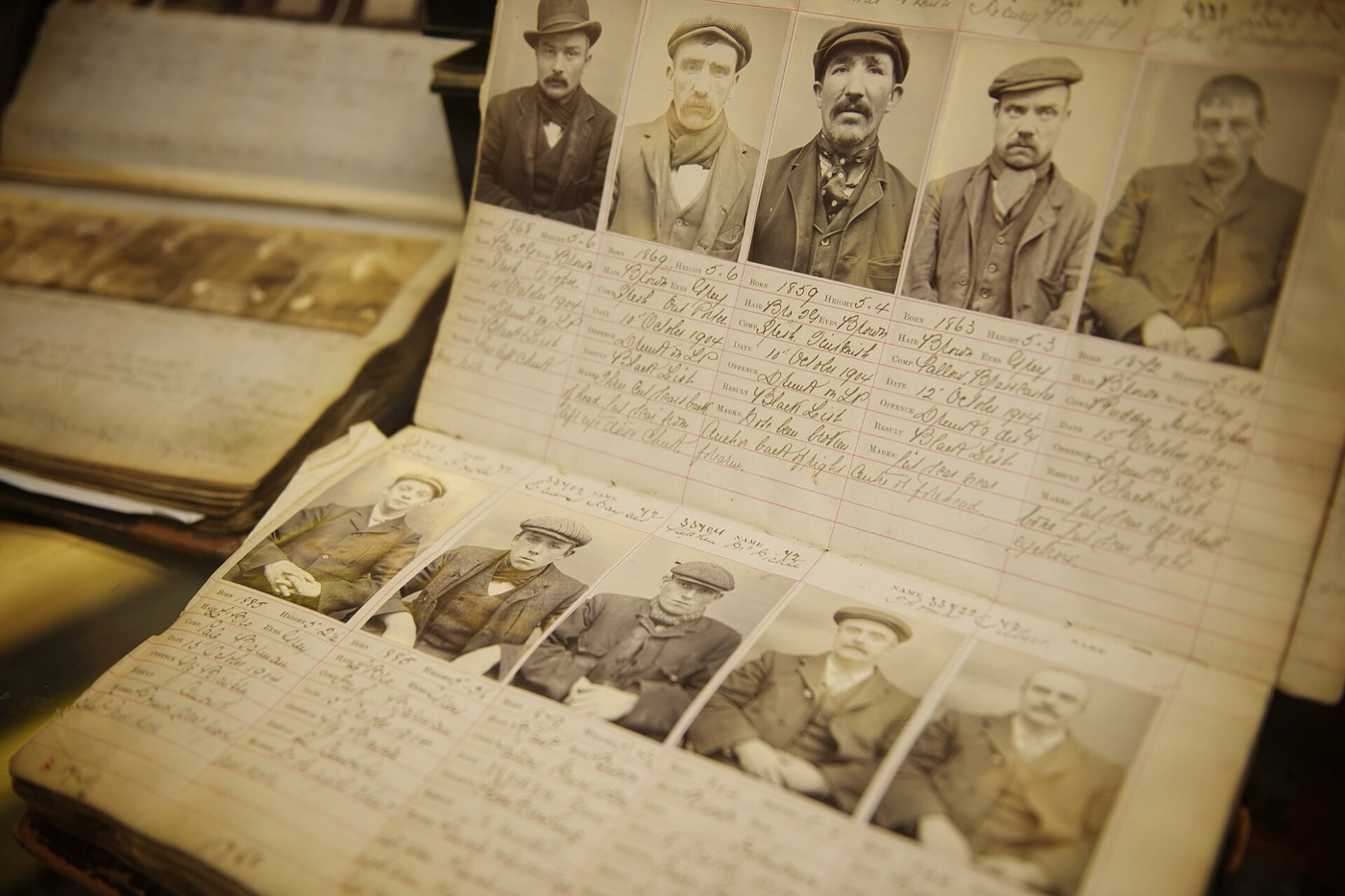
The series opens in 1919. The real Peaky Blinders were already history by then. According to Smithsonian Magazine, the gang rose to prominence in the 1890s and dominated parts of Birmingham until around the start of the First World War. The earliest known written reference dates to 1890, when a man named George Eastwood was attacked and left with a fractured skull.
By the 1920s, the decade the show is set in, Birmingham’s underworld belonged to a different outfit: the Birmingham Boys, led by Billy Kimber.
Petty criminals, not kingpins
Tommy Shelby builds an empire that reaches Parliament. The real Blinders were, in Smithsonian’s words, “far from criminal masterminds”. Surviving police records show convictions for shop-breaking, bicycle theft and obtaining goods by false pretences. David Cross of the West Midlands Police Museum says they picked on anybody who looked vulnerable. They also fought the police: a brawl in 1898 led to the death of a constable.
The razor blades
This is the detail everyone knows, and it is the one historians trust least. Carl Chinn, the Birmingham historian who has written most about the gang, has argued that safety razor blades were only starting to arrive in the 1890s and were far too expensive for street toughs to use that way (Netflix Tudum). He also makes a practical point: a blade sewn into the soft part of a cap would be very hard to swing with any force.
So where does the name come from? Most likely from the peaked caps themselves. “Blinder” was also local slang for someone of striking appearance, which fits the next point.
They really did dress the part
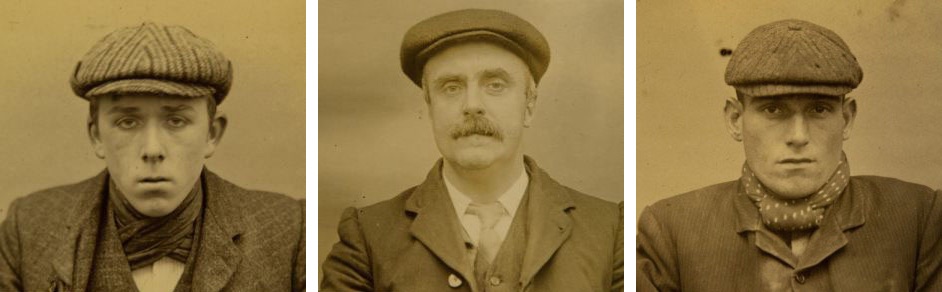
Here the show is on firm ground. A contemporary description quoted by Smithsonian has the typical Blinder taking “pride in his personal appearance”, in bell-bottomed trousers, hob-nailed boots, a colourful scarf and a peaked cap, with his hair cropped short except for a quiff at the front. Less tweed three-piece than the series suggests, but the vanity is accurate.
The villains who existed
Billy Kimber was real, and Tudum describes him as possibly the biggest crime boss in England in his day. The series makes him a Londoner; he was actually from Birmingham, and Chinn believes he may once have been a Peaky Blinder himself. He was not shot by Tommy Shelby. He died of a long illness.
Darby Sabini was real too, and his gang did fight Kimber’s Birmingham Boys for control of the racecourses over many years.
Alfie Solomons is drawn from a real gangster named Alfred Solomon, though Tom Hardy’s performance owes more to imagination than to the record.
Winston Churchill and Oswald Mosley need no introduction. Mosley did found the British Union of Fascists, and was interned during the Second World War.
The verdict
Loosely based. Think of Peaky Blinders as a western set in the Midlands: real place names, a few real outlaws, and a hero who never lived. That is no criticism. Knight has always said he was writing the legend his family told, not the police file. Just don’t quote the razor blades at a pub quiz.
Sources: "Who Were the Real Peaky Blinders?", Smithsonian Magazine; "The Real-Life Peaky Blinders", Netflix Tudum (10 June 2022), which quotes Carl Chinn.
The claims, checked
- ≈ Partly
A gang called the Peaky Blinders ran Birmingham in the 1920s.
The gang was real, but it rose in the 1890s and had lost its grip by the First World War. By the 1920s a different gang ran the city.
- ✗ Invented
The Shelby family led the gang.
Tommy, Arthur, Polly and the rest were invented by Steven Knight, drawing on stories his father told him.
- ✗ Invented
They sewed razor blades into the peaks of their caps.
Historian Carl Chinn points out that disposable razor blades were a new and expensive luxury in the 1890s, and would make a poor weapon sewn into a soft cap.
- ✓ True
Billy Kimber and Darby Sabini were real gang bosses who fought over the racecourses.
Both existed, and their gangs did clash for years over racecourse rackets. Kimber was a Birmingham man, and he died of illness, not from a Shelby bullet.
- ✓ True
The Peaky Blinders dressed sharply.
Contemporary accounts describe men who took pride in their appearance: bell-bottomed trousers, hob-nailed boots, a bright scarf and a peaked cap.
- ≈ Partly
Winston Churchill, Oswald Mosley and Alfie Solomons were real people.
Churchill and Mosley certainly were. Alfie Solomons is based on a real gangster named Alfred Solomon, with a great deal added.